Category: Plants
-
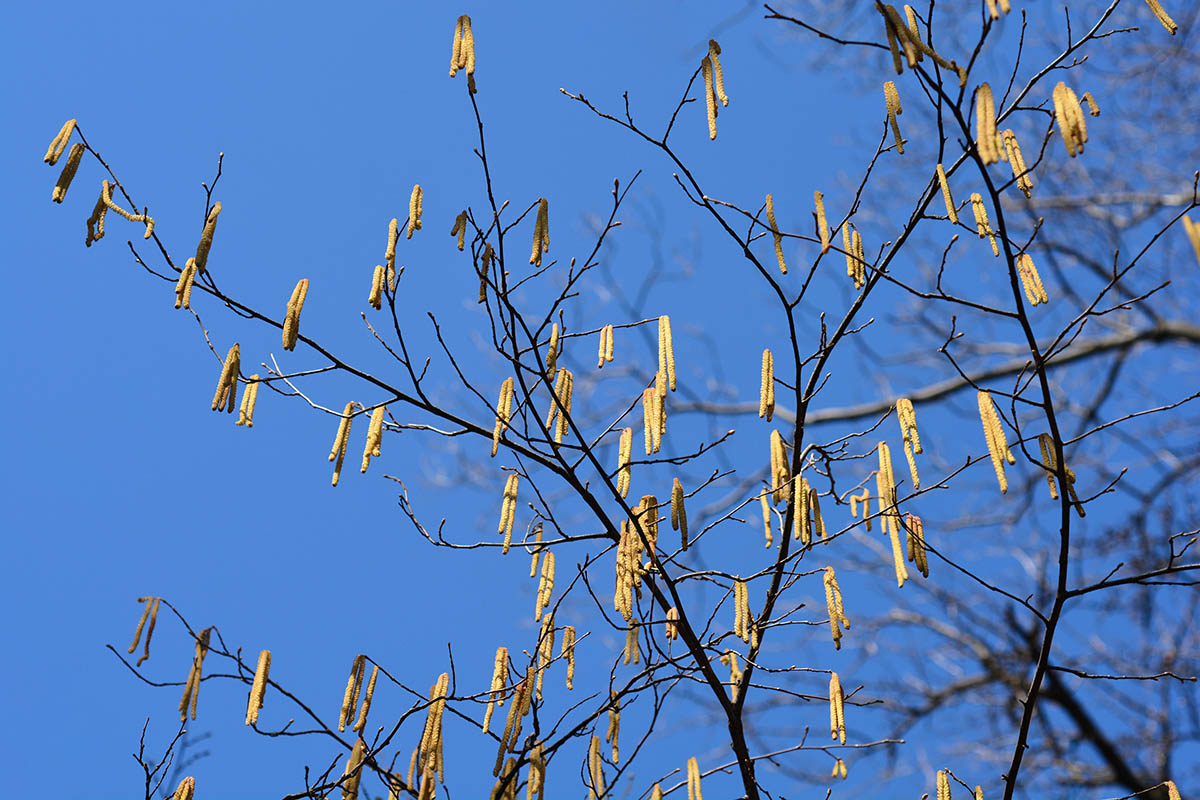
Plant Profile: Beaked Hazelnut (Corylus cornuta var. californica)
Also known as California Hazelnut, this shrub produces edible nuts.
-
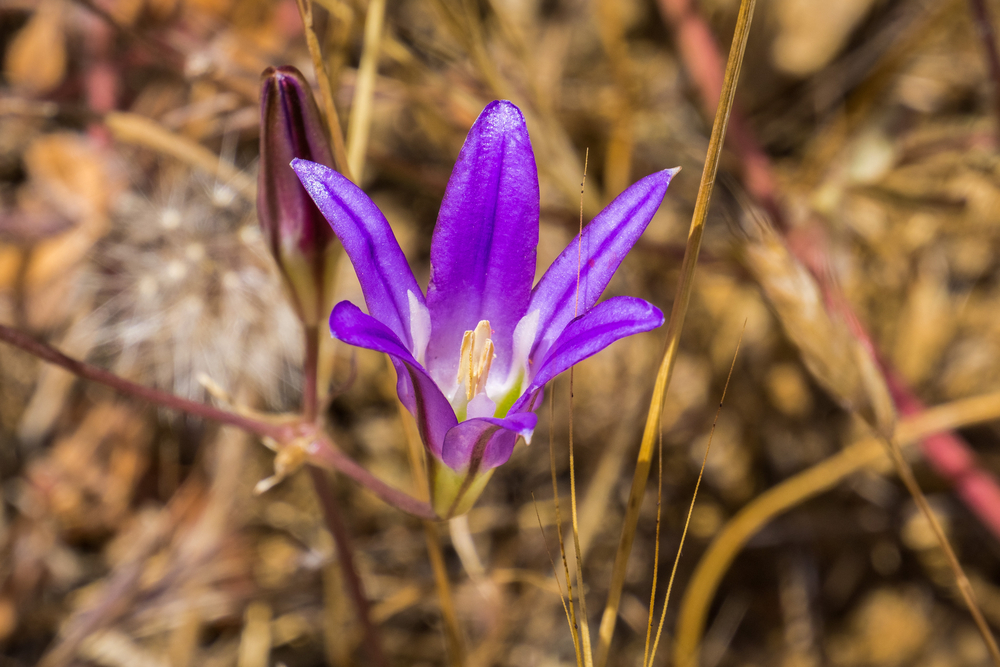
Plant Profile: Harvest Brodiaea (Brodiaea coronaria)
This perennial herb has violet-purple flowers and blooms June to July.
-
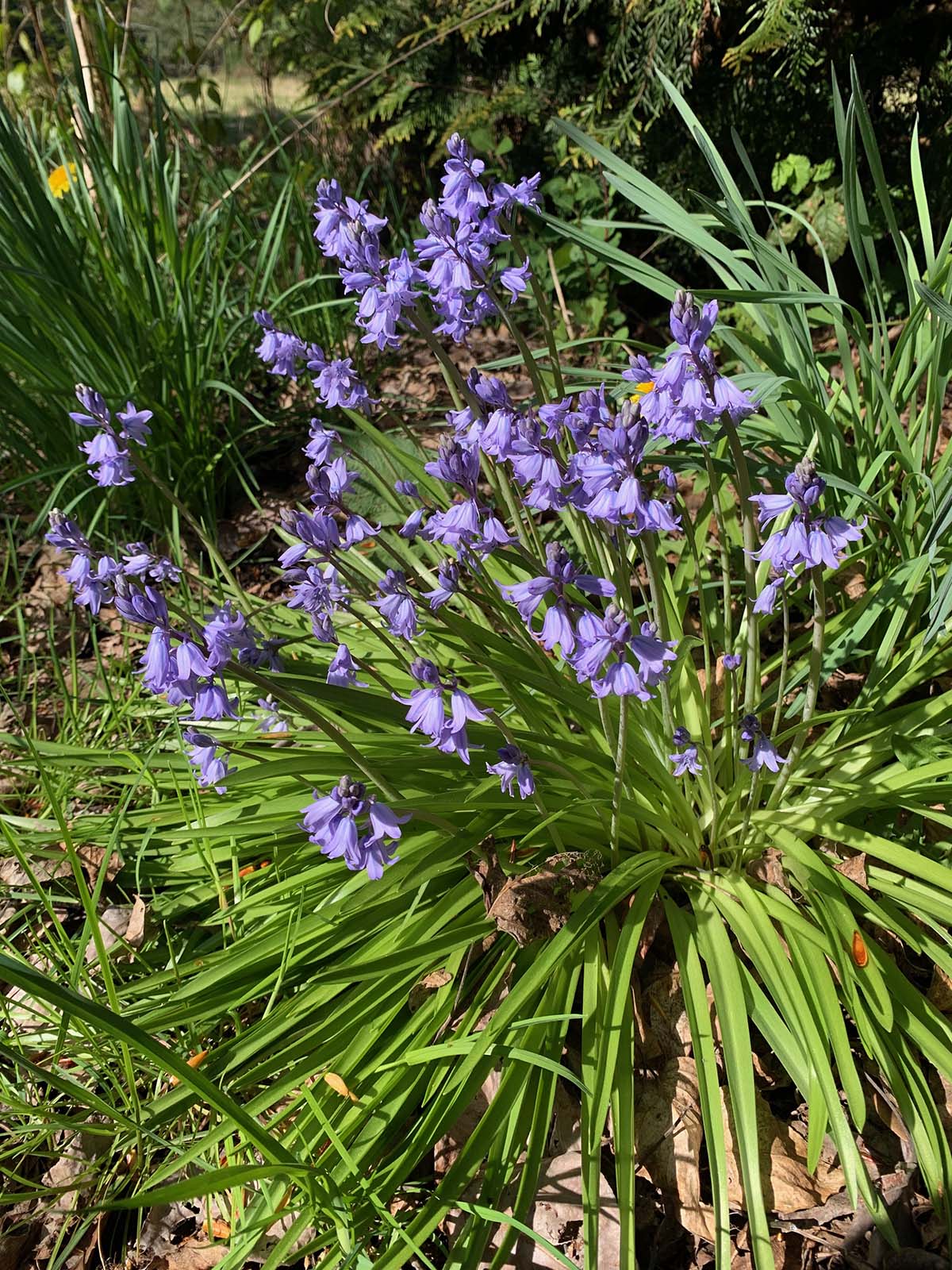
Invasive English and Spanish Bluebells
A charming, highly sentimental plant for anyone from the British Isles, this flower is an invasive species on Vancouver Island and the Lower Mainland. There are two types of bluebells: English (Hyacinthoides…
-
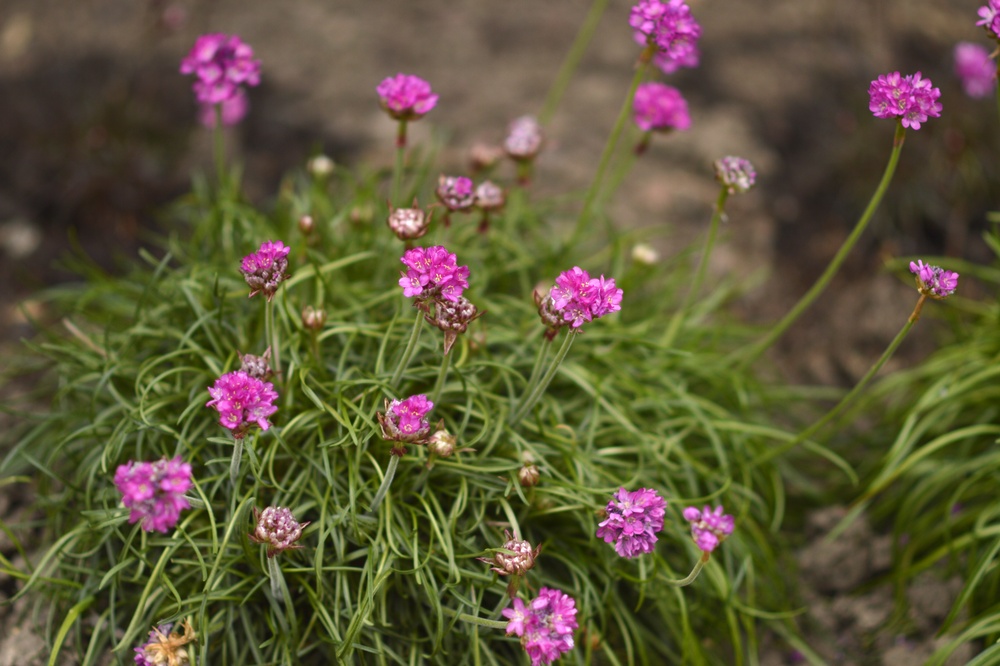
Plant Profile: Sea Thrift (Armeria maritima)
These clumping small perennials with delightful spring blooms are ideal for rock gardens and the front of perennial beds.
-
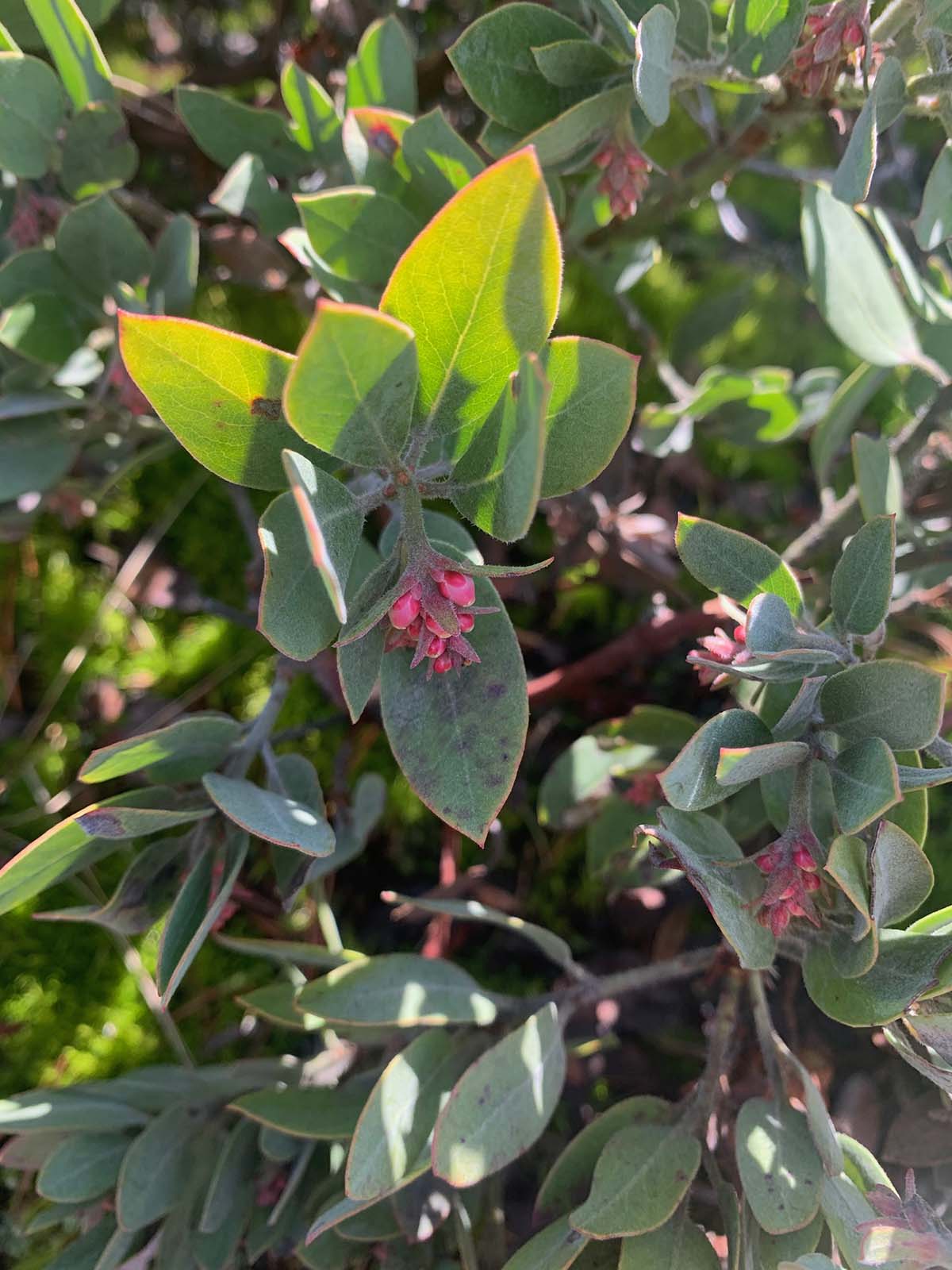
Plant Profile: Hairy Manzanita (Arctostaphylos columbiana)
When I first met this plant, I thought it was an Arbutus tree growing sideways due to harsh conditions as they share the deep red, peeling bark with ovate evergreen leaves. However,…
-
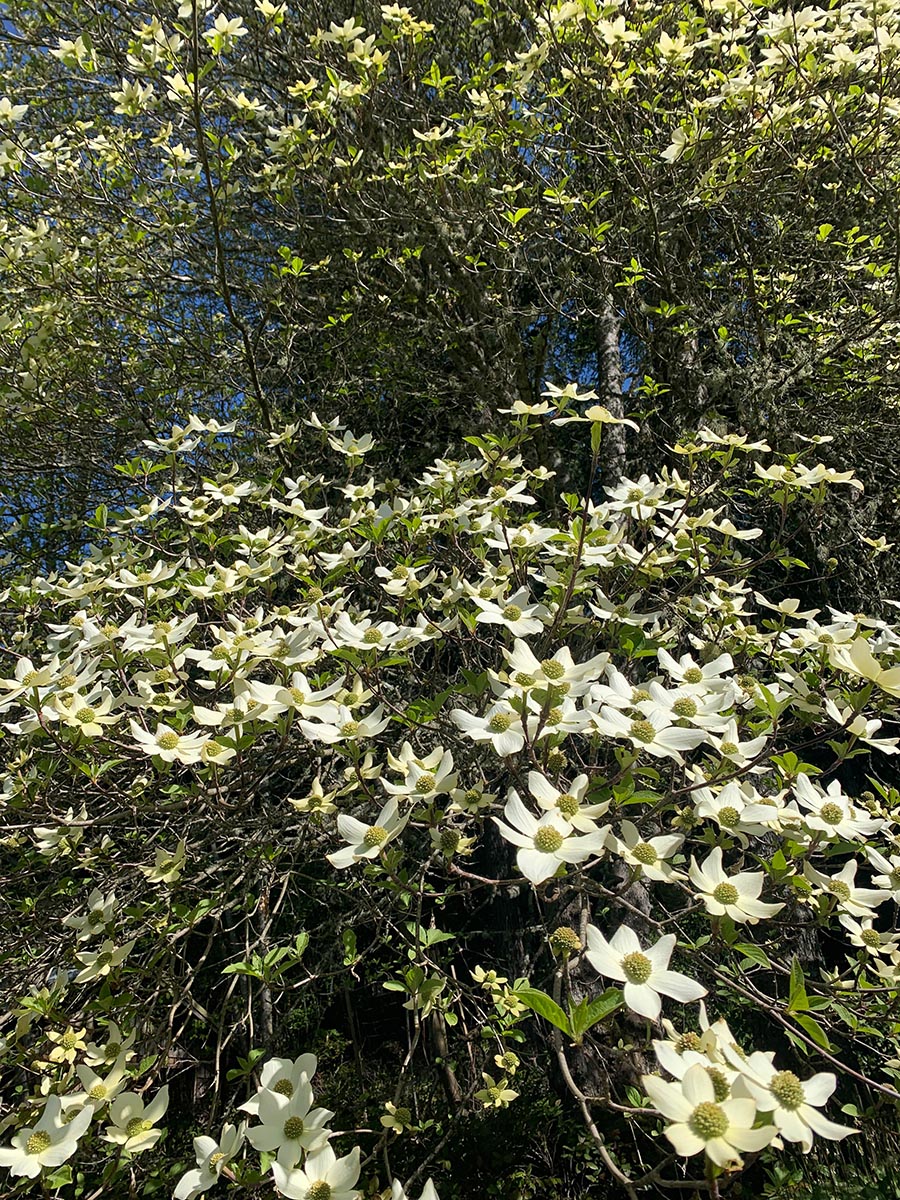
Plant Profile: Pacific Flowering Dogwood (Cornus nuttallii)
A beautifully shaped tree with iconic white ‘flowers’ in the spring, this dogwood is a striking addition to any garden or restoration site.
-
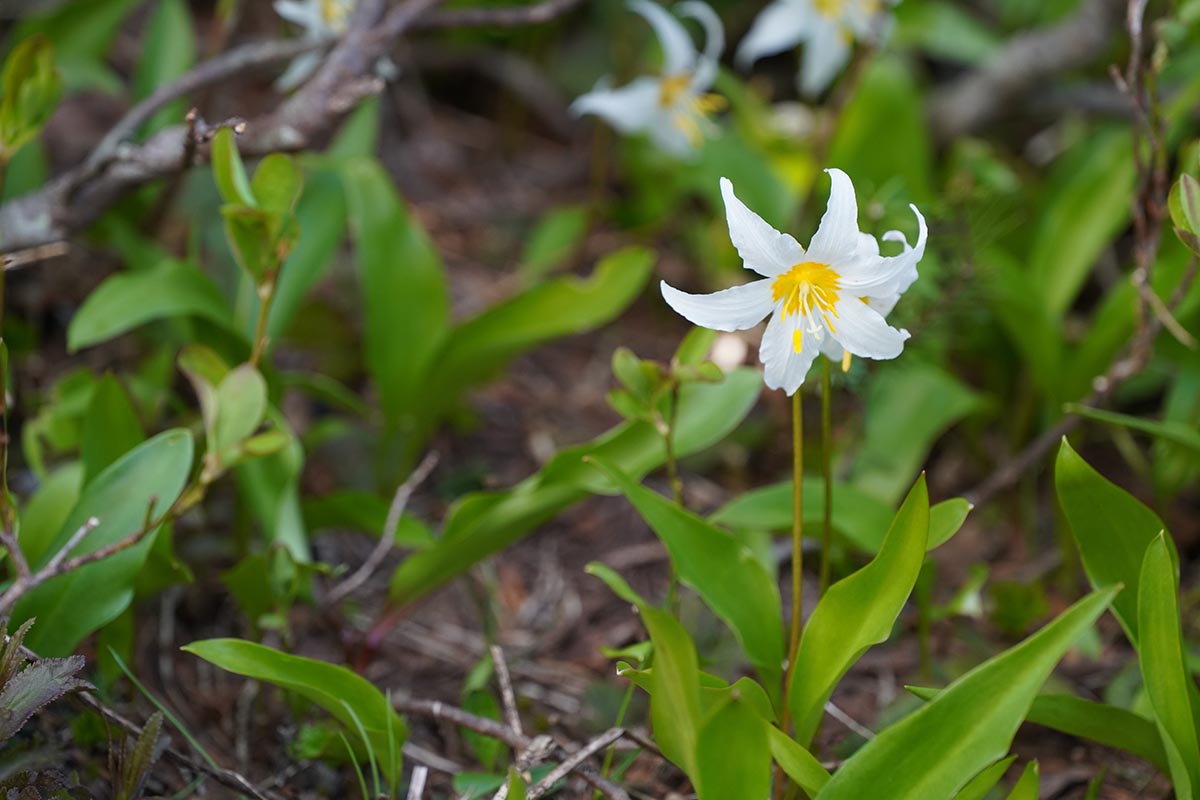
Plant Profile: White Fawn Lily (Erythronium oreganum)
These easy to grow flowers love moist soil and make an attractive groundcover in the garden shade.
-
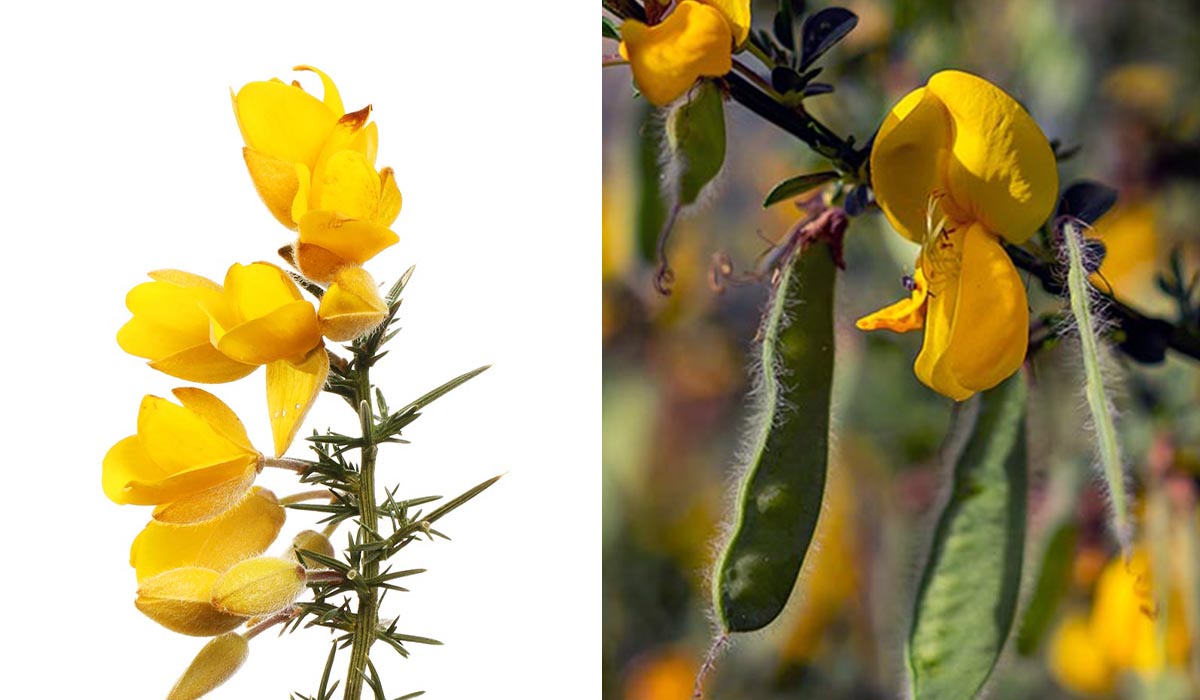
Invasive Gorse and Broom
Gorse and Broom are two incredibly invasive plants with similar appearances that out-compete native species, create fire hazards and are very difficult to remove.
-
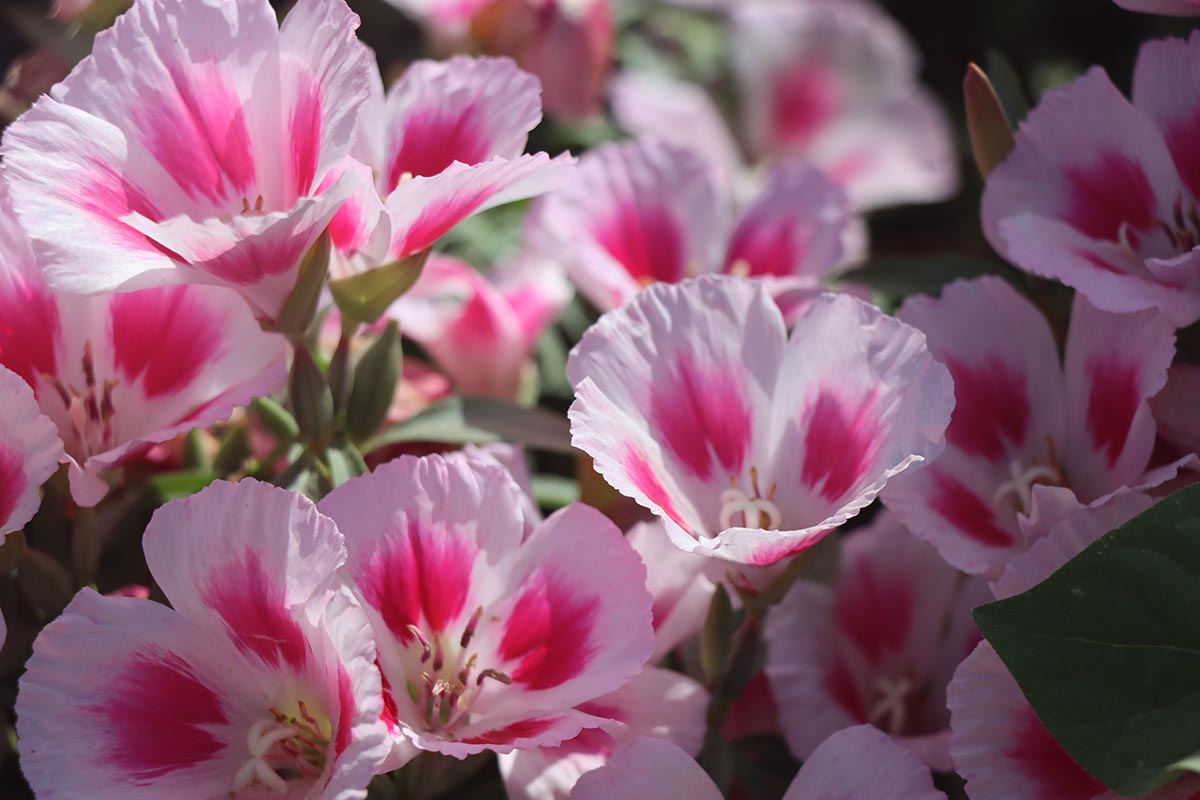
Plant Profile: Farewell to Spring (Clarkia amoena)
The common name acknowledges this species’ habit of flowering in late spring. For this reason, Clarkia amoena is also called ‘summer’s darling’, or ‘herald-of-summer’. The species amoena means ‘charming’, which this plant…
-
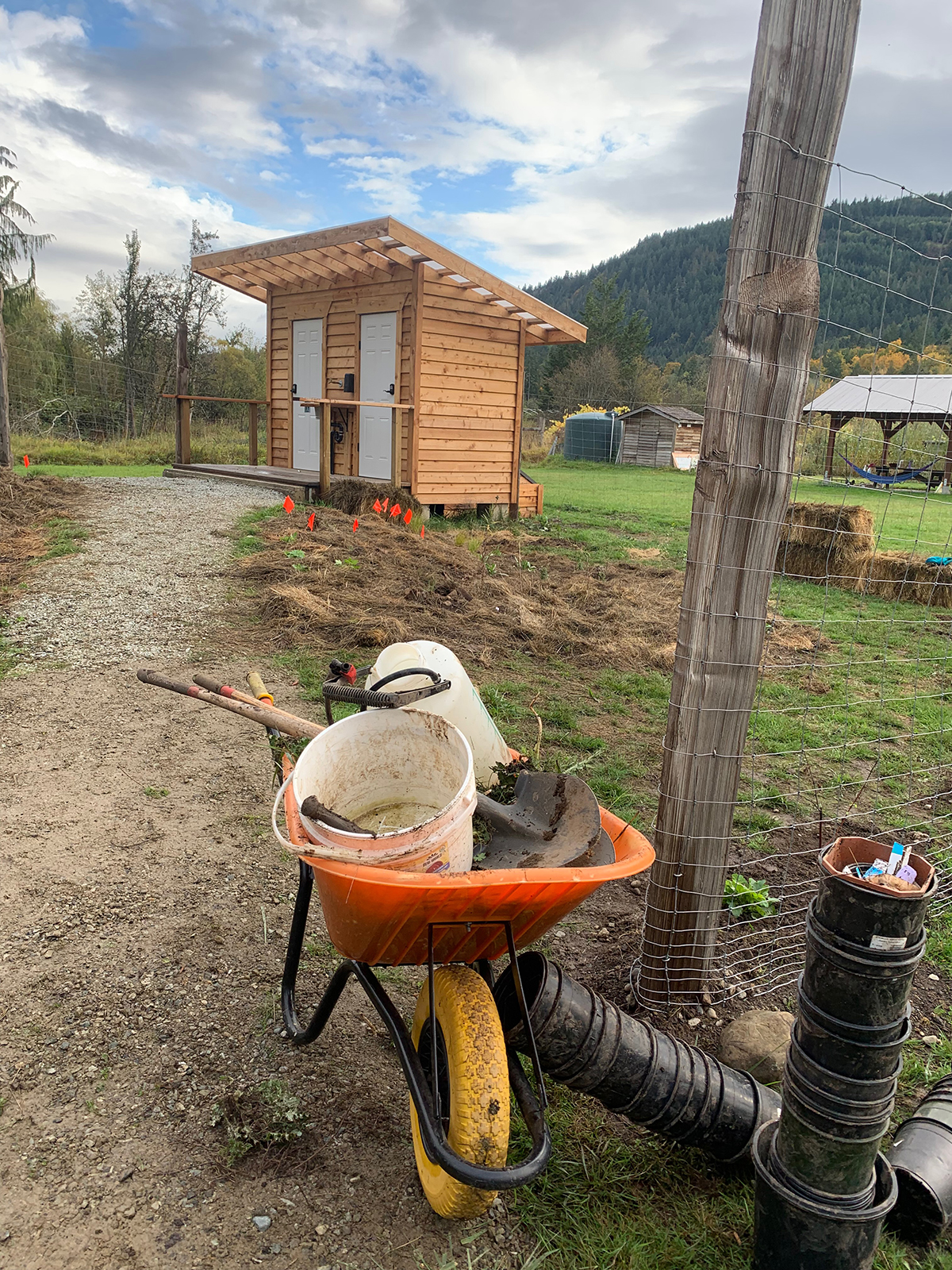
Case Study: Creating Biodiversity In Gardens (2025-2028)
To increase visibility for my business, I came up with an idea that would benefit property owners, myself, and local plants and animals.