Ecological
Garden Design
Creating sustainable and biodiverse outdoor spaces through native plants and eco-friendly practices.
Welcome to ecologicalgardening.ca – a place for information and resources about anything and everything related to ecological gardening!
We can support the environment right now by creating thriving habitats in our yards and other outdoor spaces. I’m so excited to share with you what I’ve learned during my 25+ year experience as a biologist and consultant.
As an eco-friendly garden designer I offer garden consultations online, and in-person garden design and bee rentals on Salt Spring Island and Lower Vancouver Island.
Through the blog I share knowledge about topics like drought tolerant planting, native bee habitats, rain water harvesting, and much more!
– Emony
Supporting local ecosystems by creating & nurturing habitats in our own backyards.
Ecological Garden Services
My gardening consultations are available both virtually and in-person on Salt Spring Island and Lower Vancouver Island.
Garden Design & Consultation
Specializing in beautiful, productive, biodiverse gardens you’ll love.

Talks & Workshops
Provide valuable learning opportunities at your next community event.

Passionate About Pollination
I have worked as an environmental consultant, entrepreneur and biologist for over 25 years. I am on a mission to empower homeowners on how to support biodiversity by providing habitats in our own back yards.
From the blog…
-
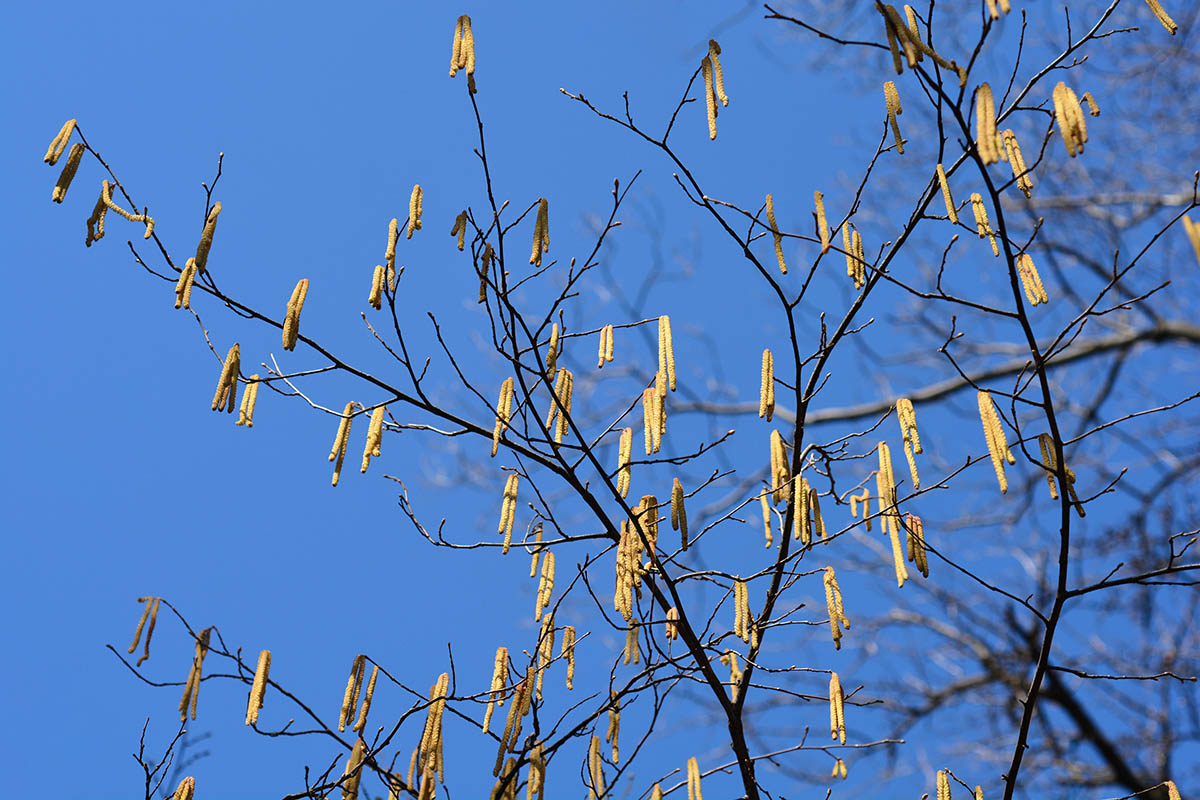
Plant Profile: Beaked Hazelnut (Corylus cornuta var. californica)
Also known as California Hazelnut, this shrub produces edible nuts.
-
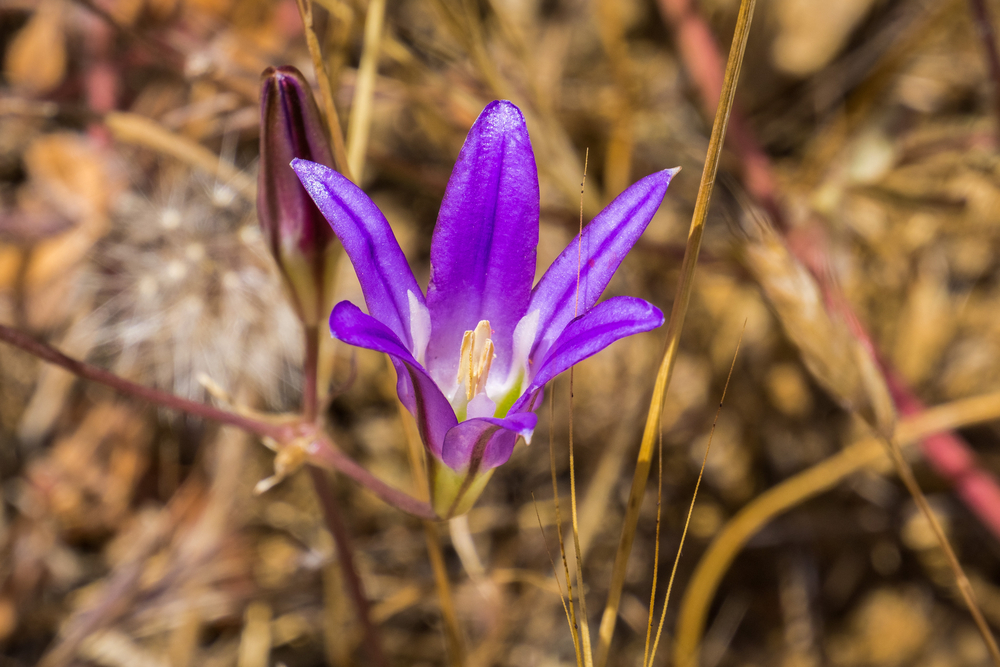
Plant Profile: Harvest Brodiaea (Brodiaea coronaria)
This perennial herb has violet-purple flowers and blooms June to July.
-
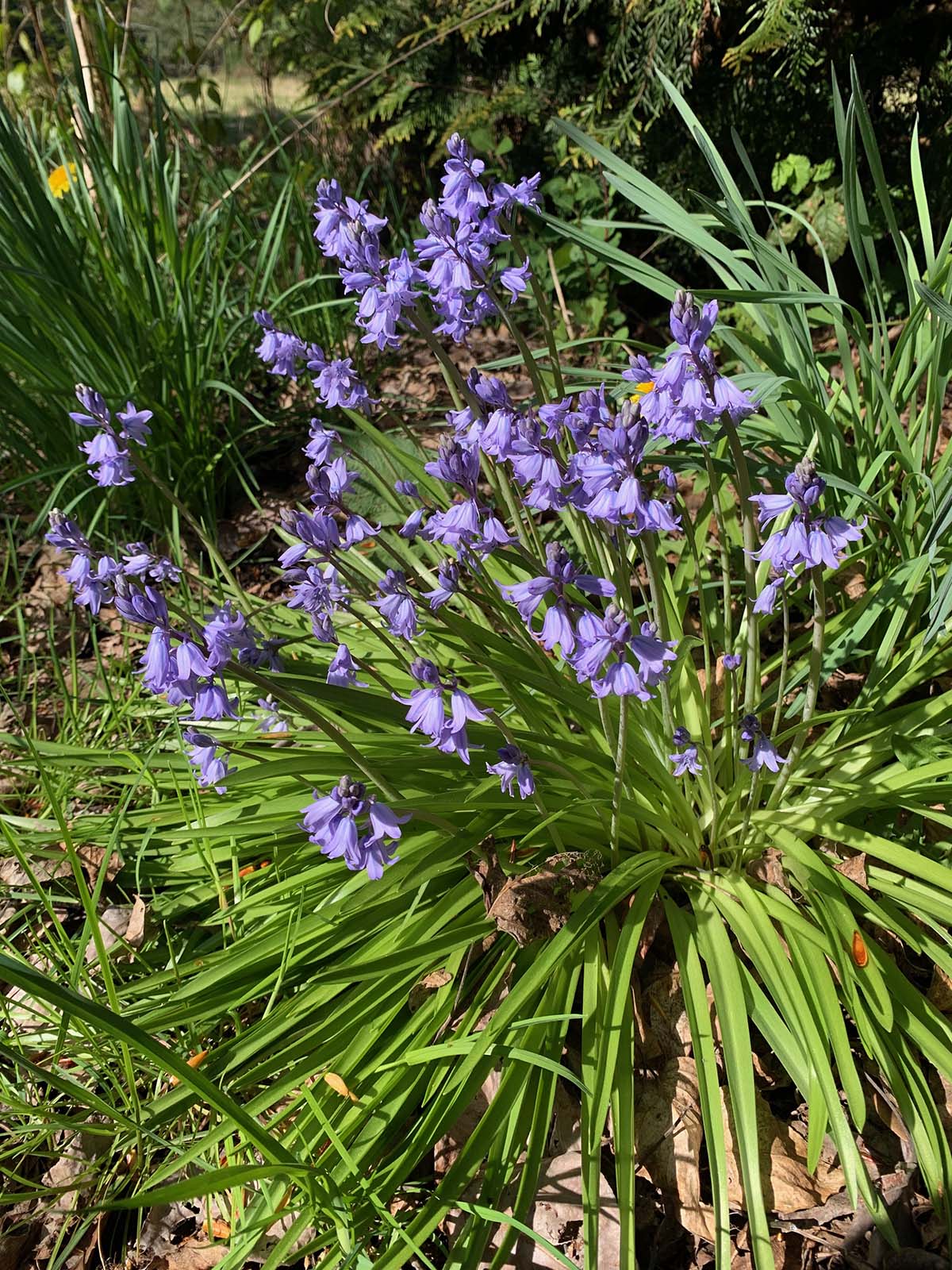
Invasive English and Spanish Bluebells
A charming, highly sentimental plant for anyone from the British Isles, this flower is an…