

Wild Ginger
Evergreen perennial creeping groundcover
Common Names: Canada Wild Ginger, Canadian Snakeroot, Heart-Leaf, and Ginger Root
Species: Asarum caudatum
Family: ARISTOLOCHIACEAE
Zone: 4-8
BEC Zones: CDF, CWH, ESSF, ICH, IDF, MH, MS, SBS
Height: 15-25 cm
Width: 30-45 cm
Conditions
Sun: Shade to part shade.
Soil: Rich, moist, slightly acidic soils high in organic matter. Thick leaf mould is preferred, but will tolerate average to dry soil conditions.
Moisture: Average moisture.
Exposure: Found in rich bottomlands and moist, shaded forests; typically in thick leaf mould that partly hides the flowers. Common at low to middle elevations below 1500 m. Ranging from British Columbia to central California; most commonly found from the Pacific Coast to the Cascades.
Appearance
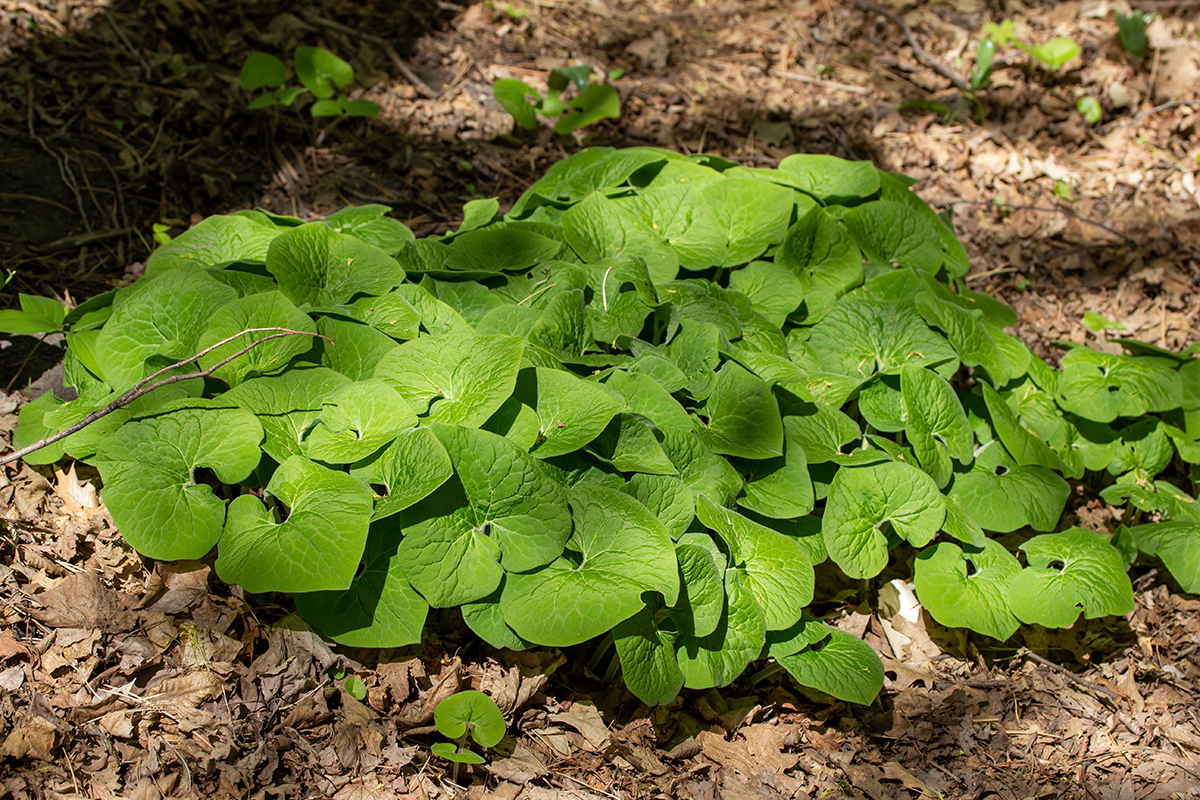
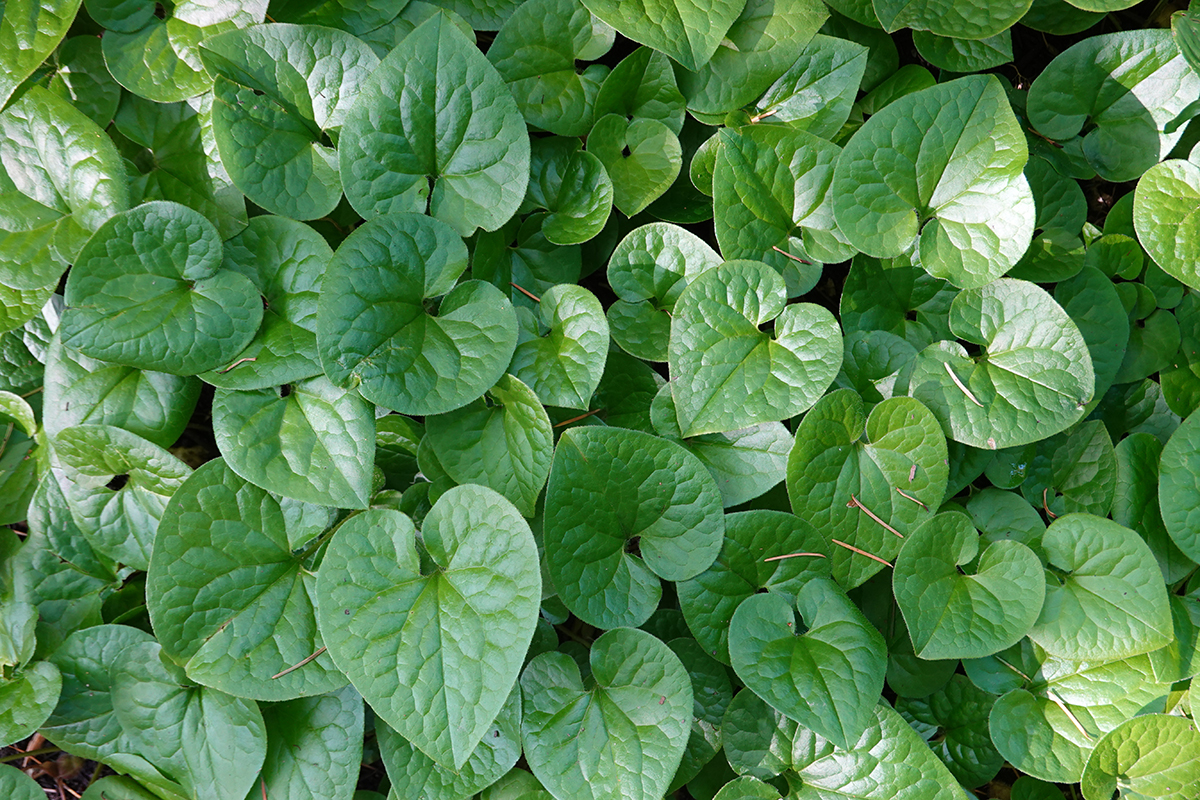
Shape & Stem: Trailing stems which root freely, often forming large mats.
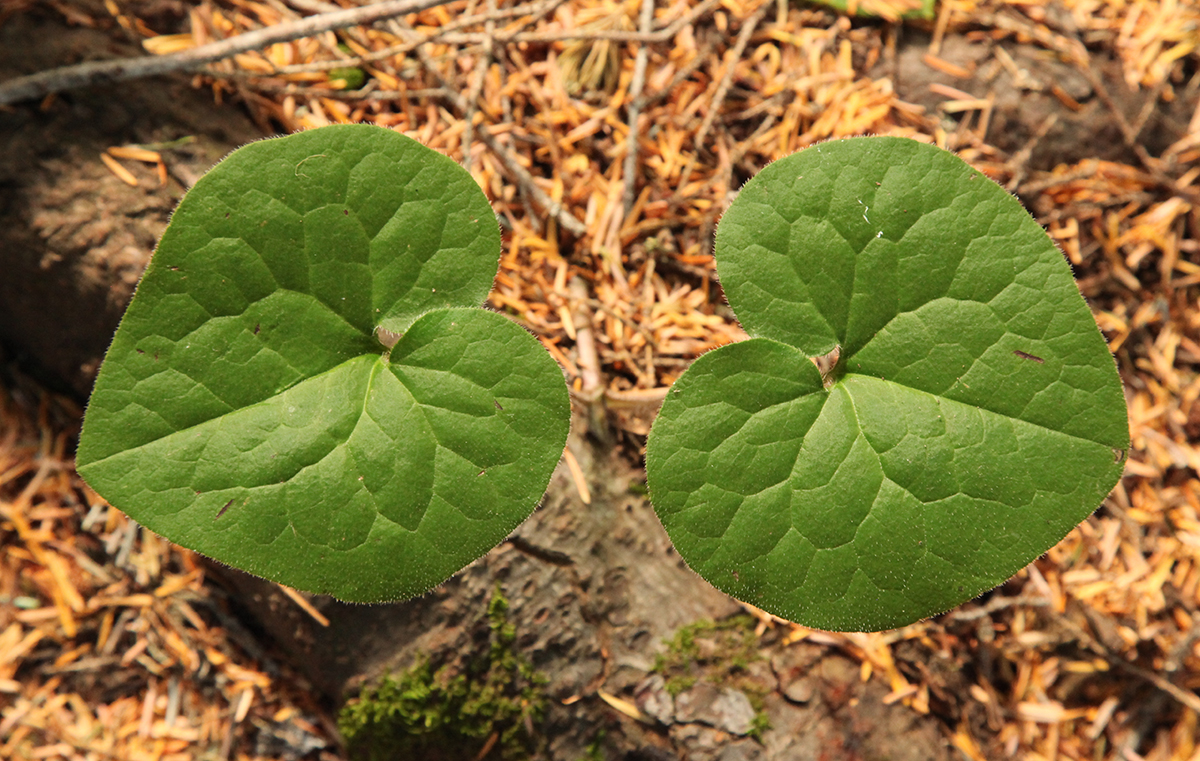
Leaf: Heart to kidney shaped, shiny and long-stalked, with 2 leaves at each node. Leaves are 4-10 cm long and up to 15 cm wide, with leaf stalks and veins that are finely hairy.
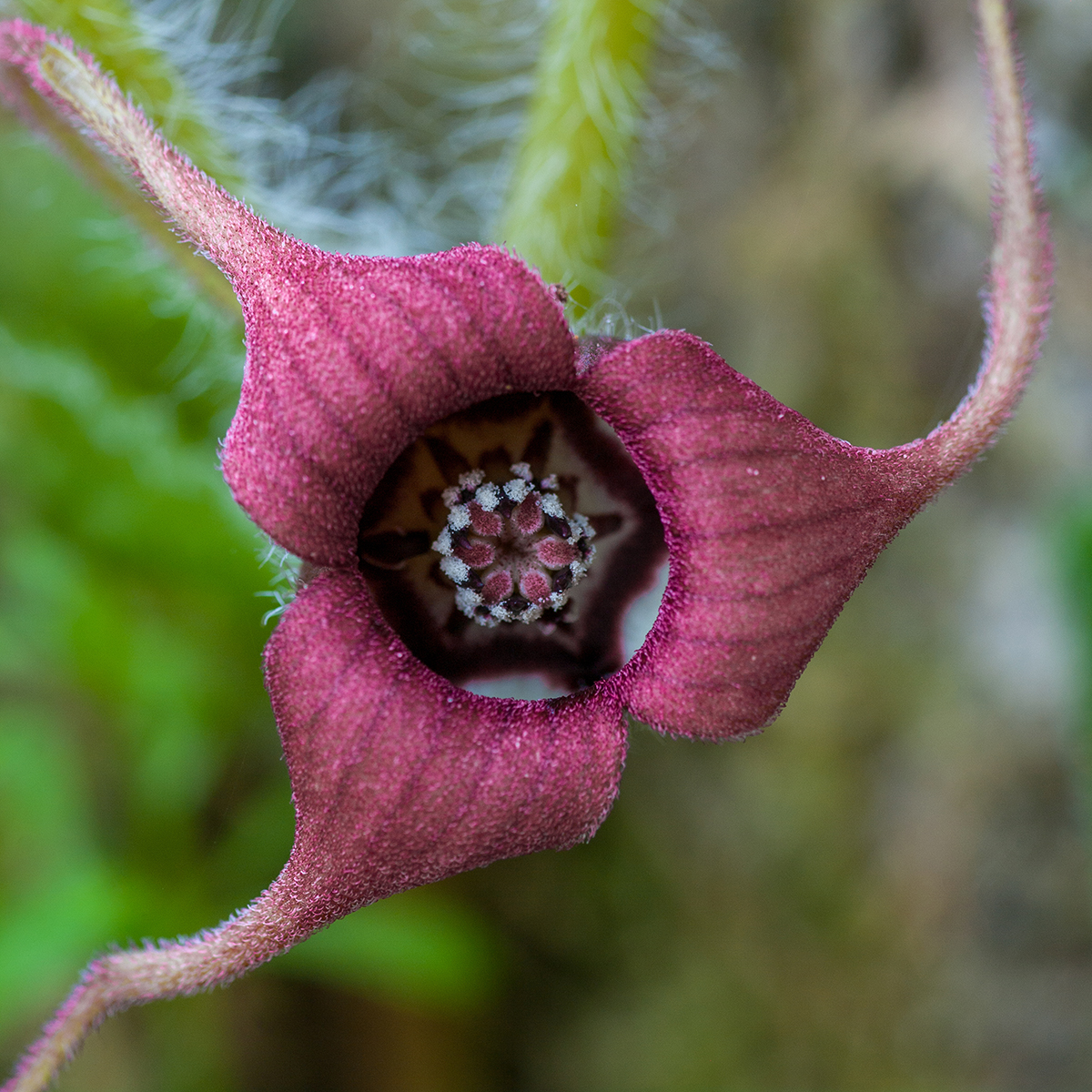
Flower: Purplish-brown to greenish-yellow flowers, solitary bell-shaped with 3 flaring lobes that taper to long points. They are often concealed by leaves.
Fruits: Fleshy capsules contain several, egg-shaped seeds, each with a prominent fleshy appendage.
Bloom: April to July.
More Information
Maintenance & Pruning: Can spread vigorously in the right conditions but easily removed.
Landscape Use: Ideal groundcover in shaded gardens and woodland settings.
Propagation: Spreads by rhizomes and seeds readily. Trailing stems root freely. New plants can be made from divisions taken in early spring or fall when the parent plant is dormant. Bury the rhizomes 1 cm deep with the tip of the rhizome reaching the soil level. Space them 30 cm apart and keep the soil moist with a mulch of oak or beech leaves. Take root cuttings in the summer and start in sand for fall planting.
Pests, Animals & Diseases: Fungus gnats can deposit eggs in the throats of the flowers, but when the larvae eat the flowers, the larvae are poisoned and die.
Cultivars: Two species found in southwestern Oregon are marbled wild ginger (Asarum marmoratum) and Hartweg’s wild ginger (A. hartwegii), both with attractive mottled green-gray leaves marked with a delicate-marbled pattern. Sadly, these species are avidly sought by slugs. Both are easily grown in moist shady garden nooks, streambanks, edges of rhododendron beds, and woodland glens.
Comments: When crushed, the whole plant smells strongly of lemon-ginger. The roots have been eaten fresh or dried and ground as a ginger substitute. The word ‘ginger’ dates back to the 13th century and means ‘horn root’ or ‘root with a horn shape’.
Leave a Reply