Tag: invasive species
-
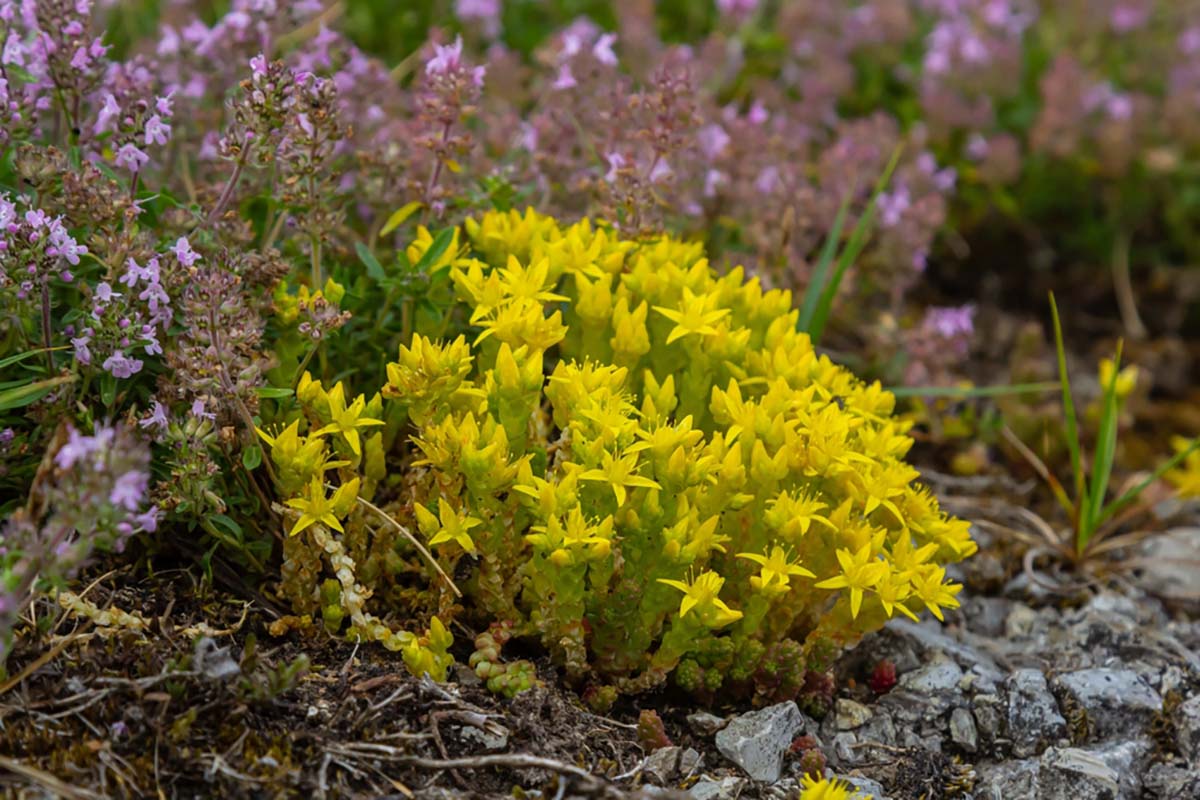
Alternatives to Invasive Goldmoss stonecrop (Sedum acre)
A Sedum commonly found in gardens of the Pacific Northwest, I found new patches of it migrating across my yard every year. Often used on rock walls or as a groundcover in…
-
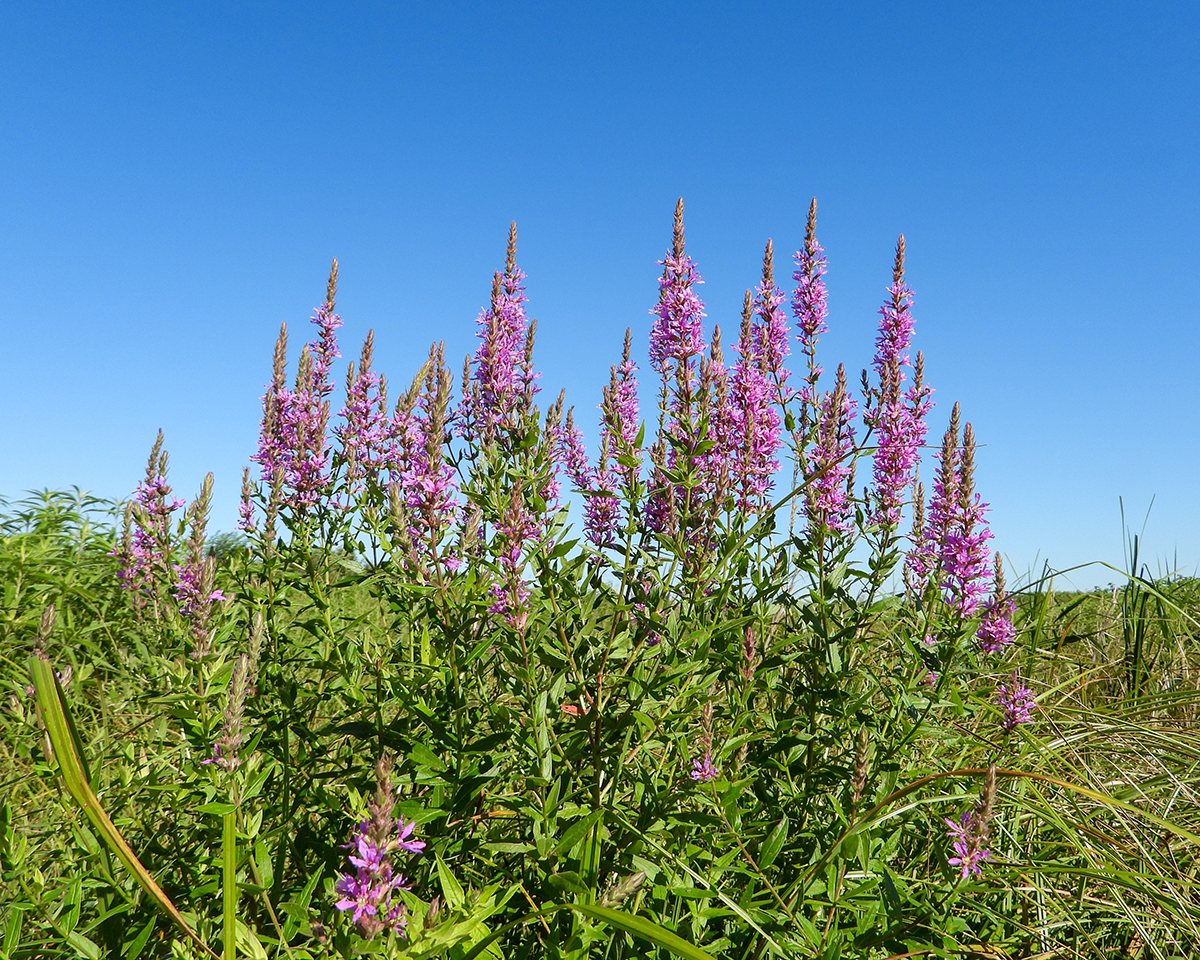
Alternatives to Invasive Purple Loosestrife
Purple loosestrife (Spike loosestrife, Purple lythrum) is a perennial plant introduced from its native range of Europe and Asia to BC in 1915. Purple loosestrife has a shrub-like appearance, with stiff, four-sided…
-
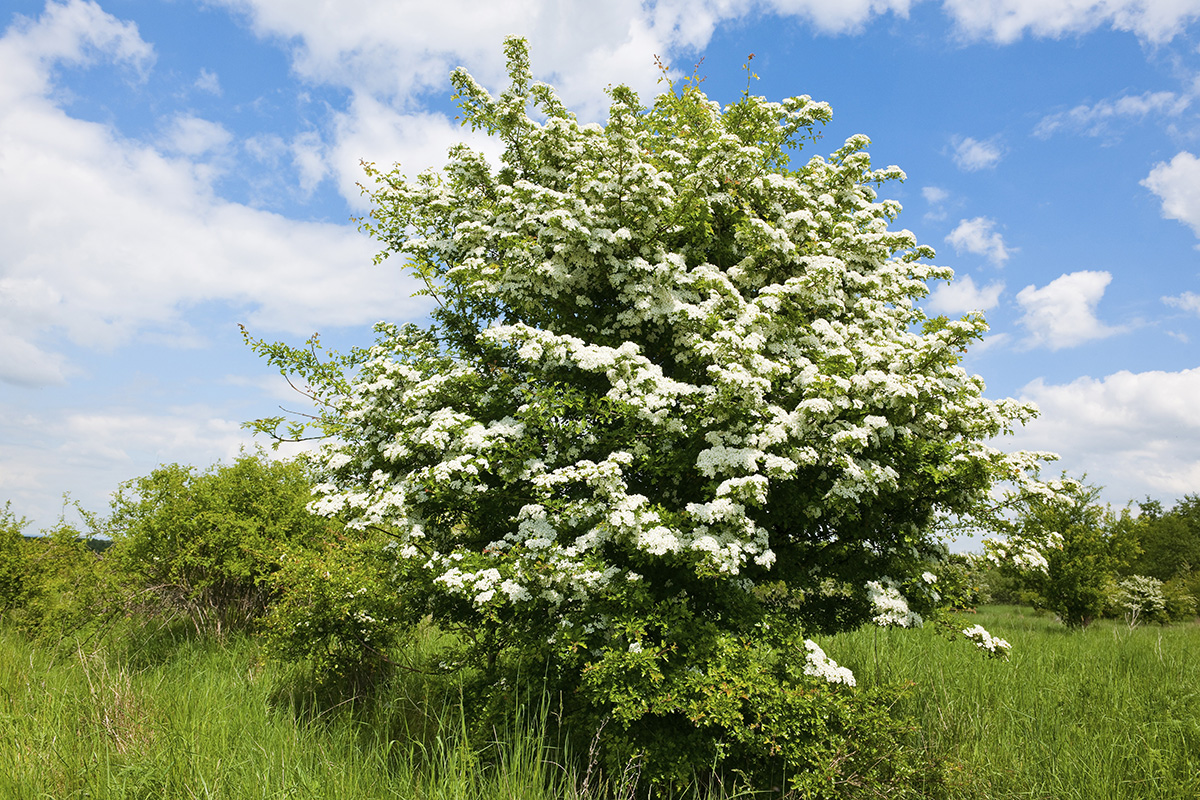
Invasive English hawthorn (Crataegus monogyna)
English hawthorn was once used to create hedgerows to contain livestock but now invades pastures and grasslands. It is a deciduous bushy, prickly shrub or small tree with white, scented blossoms and deep…
-
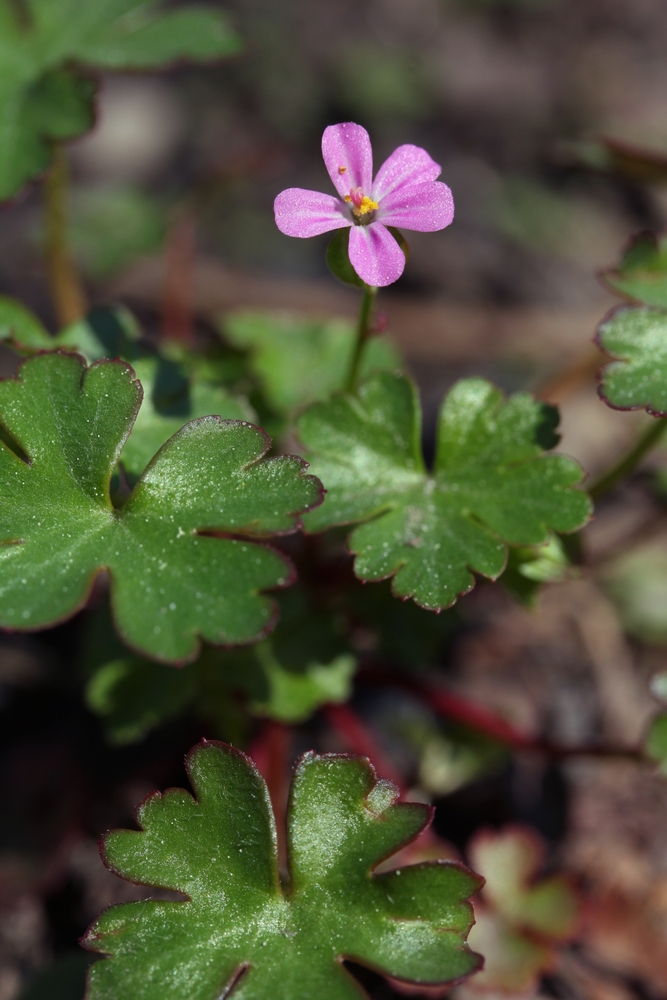
Invasive Shiny Geranium
In recent years, the small ground-covering invasive annual called “Shiny Geranium” (Geranium lucidum) has been spreading on Salt Spring Island. Patches of the weed are currently found on Quarry Drive Park, at…
-
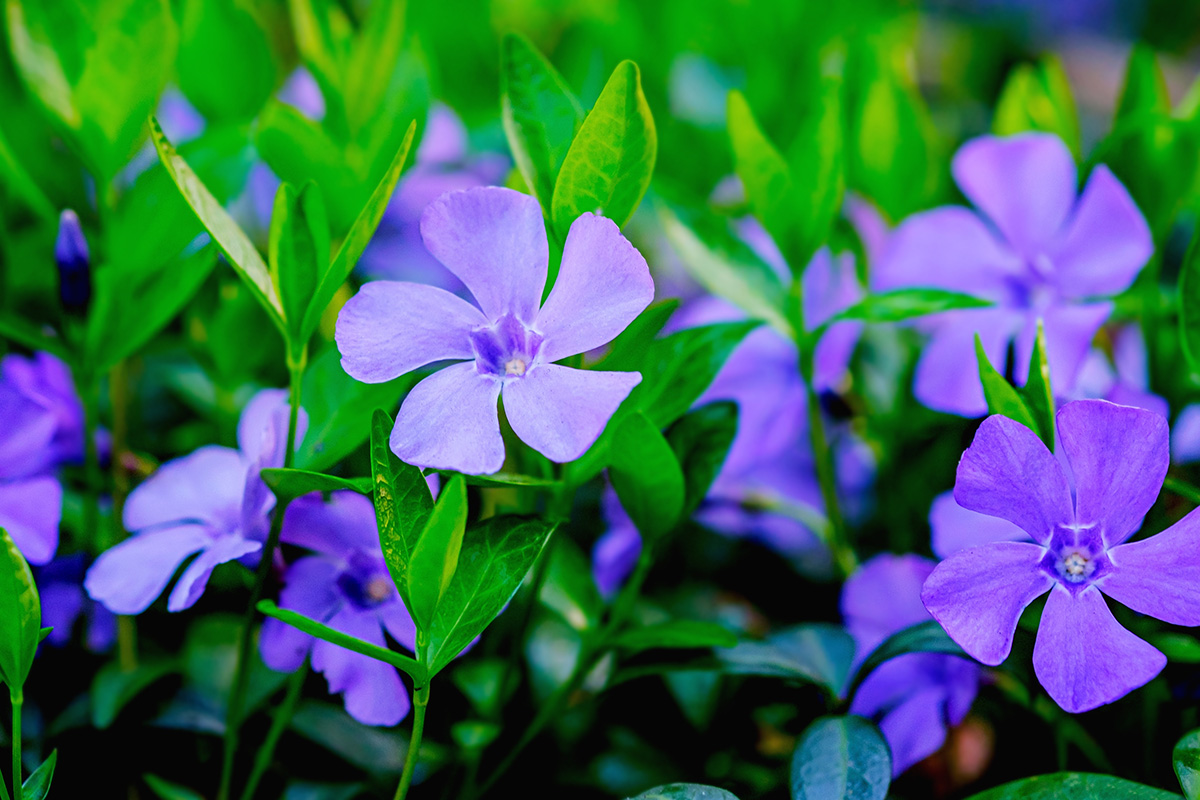
Alternatives to Invasive Common Periwinkle (Vinca minor)
Originally from Eurasia, common periwinkle was introduced from Europe in the 1700s for its fast, dense coverage as a trailing evergreen groundcover. Common periwinkle is a plant so ubiquitous that reference to…
-
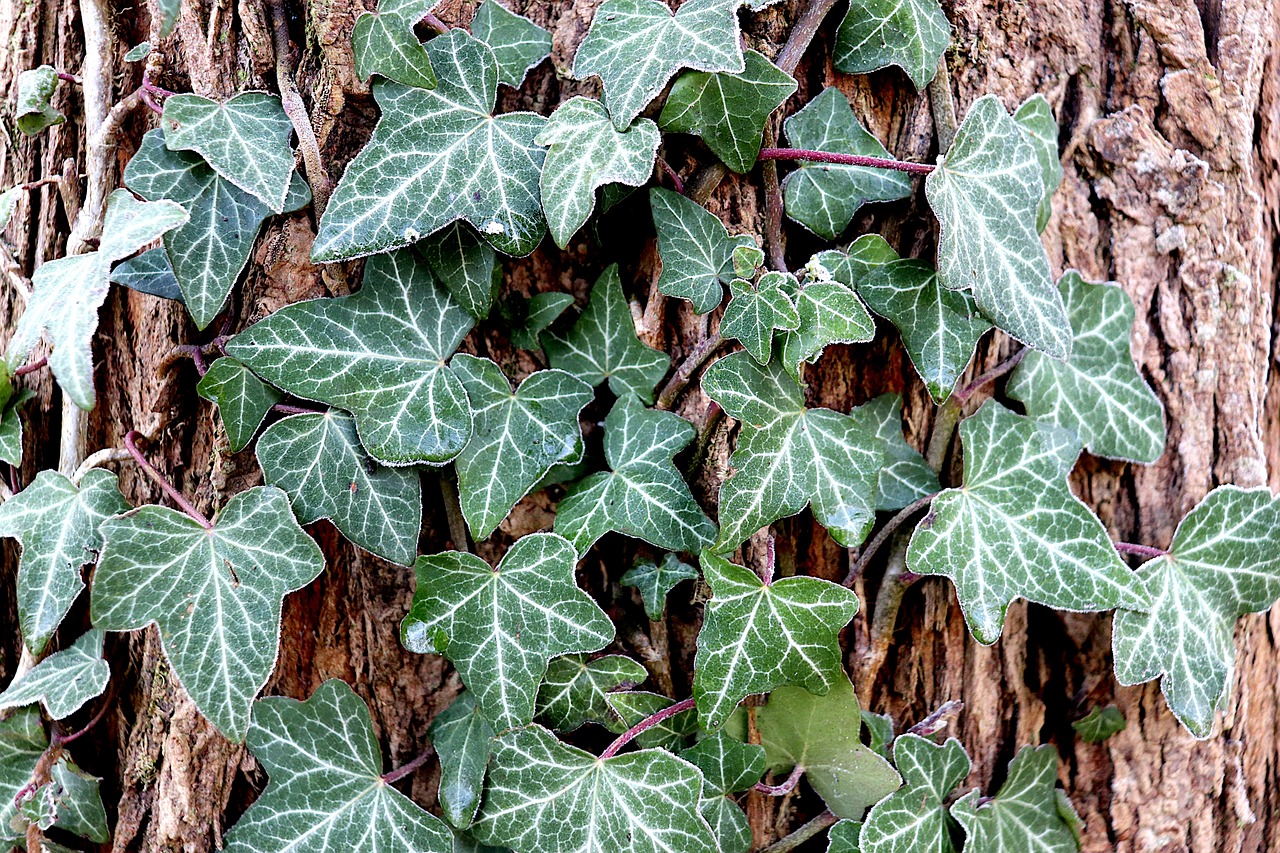
Alternatives to Invasive English Ivy (Hedera helix)
English ivy is certainly one of the most common and widespread invasive species on Salt Spring Island. I think we are all familiar with this fast-growing evergreen vine as a dense groundcover…
-
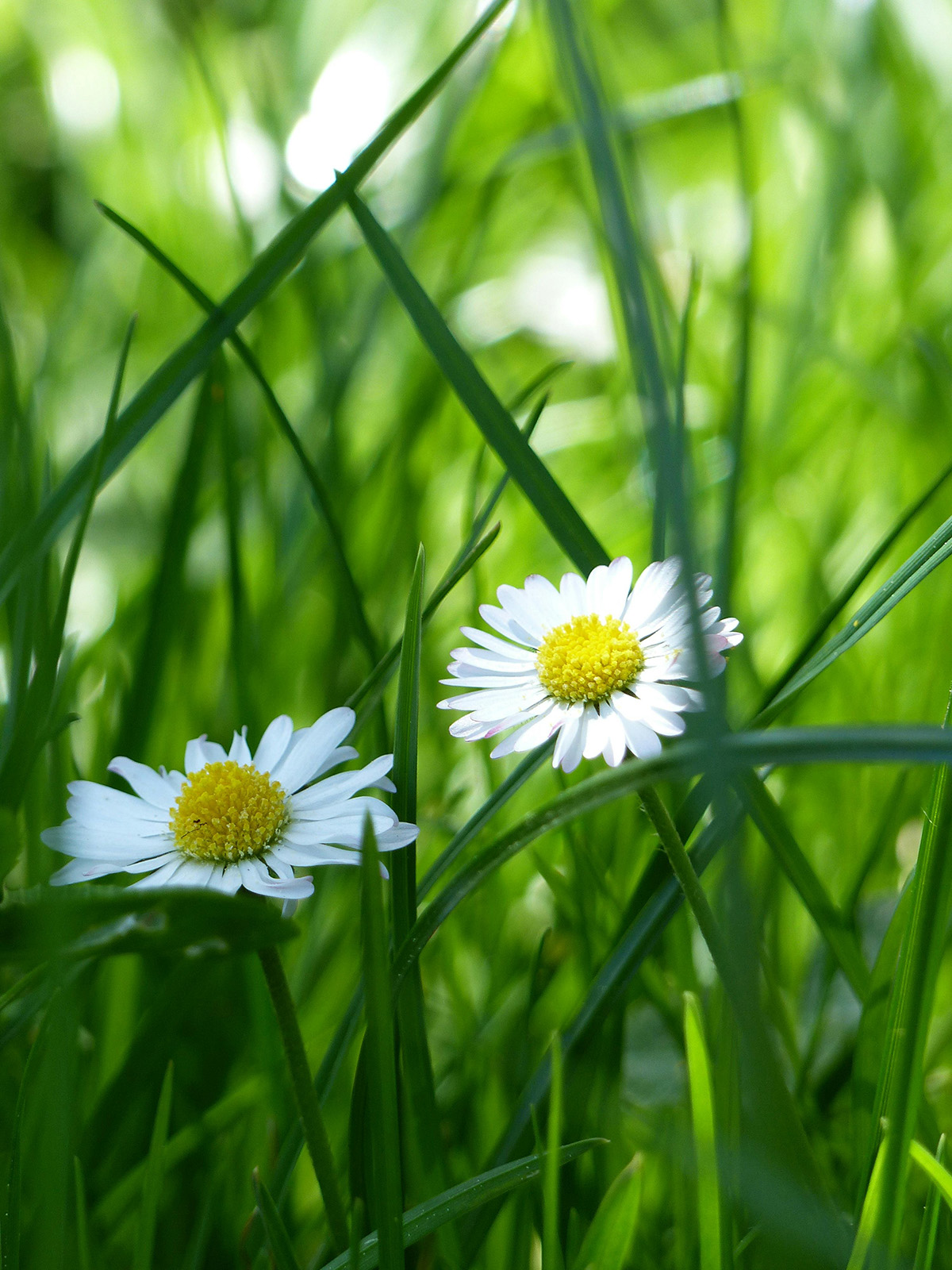
Alternatives to Invasive Daisies
A familiar and cheerful sight on the roadside, the oxeye daisy is easily recognised by its open white flowers with yellow centres. Native to Eurasia, Oxeye daisy was introduced to North America…
-
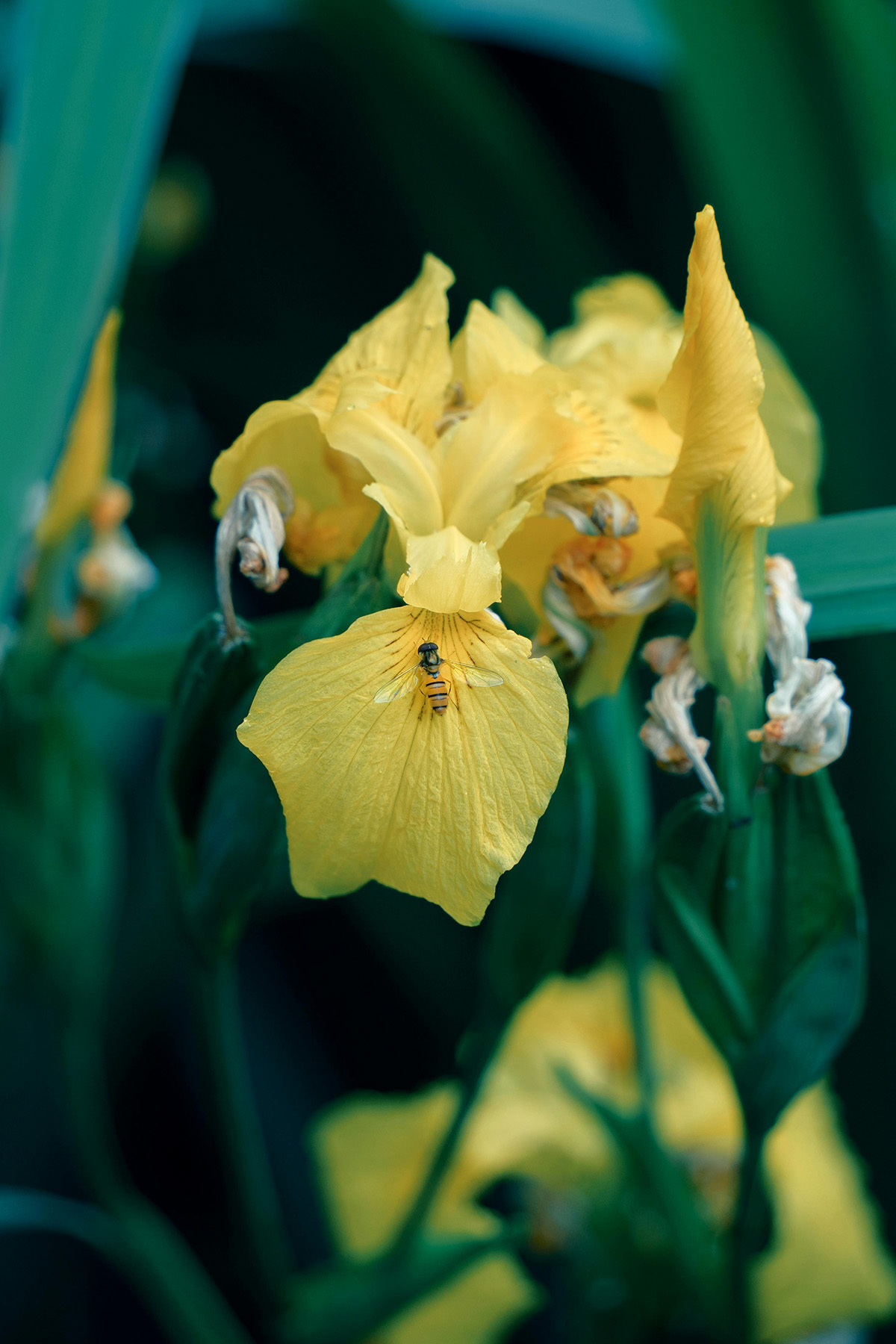
Alternatives to Invasive Yellow Flag Iris (Iris pseudacorus)
European yellow flag iris is known to exist in Saanich but thankfully has not yet been found running amok on Salt Spring Island. Let’s take this as a warning, and do our…
-
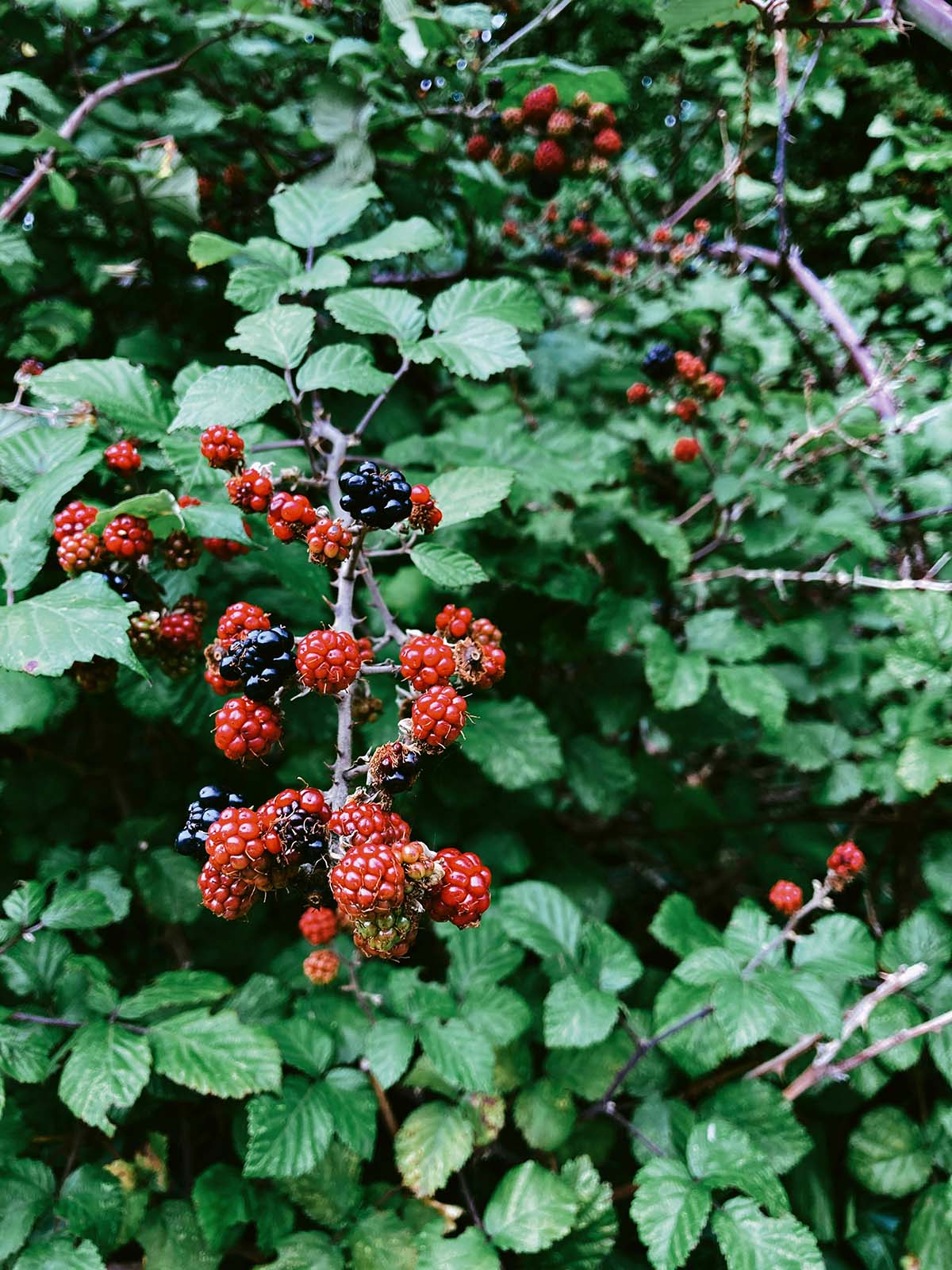
Alternatives to Invasive Himalayan Blackberry (Rubus armeniacus)
An extremely familiar plant for those living on the Pacific Northwest, with its alluring fat and delicious berries guarded by vicious thorns known to pierce even leather, the Himalayan blackberry is both…
-
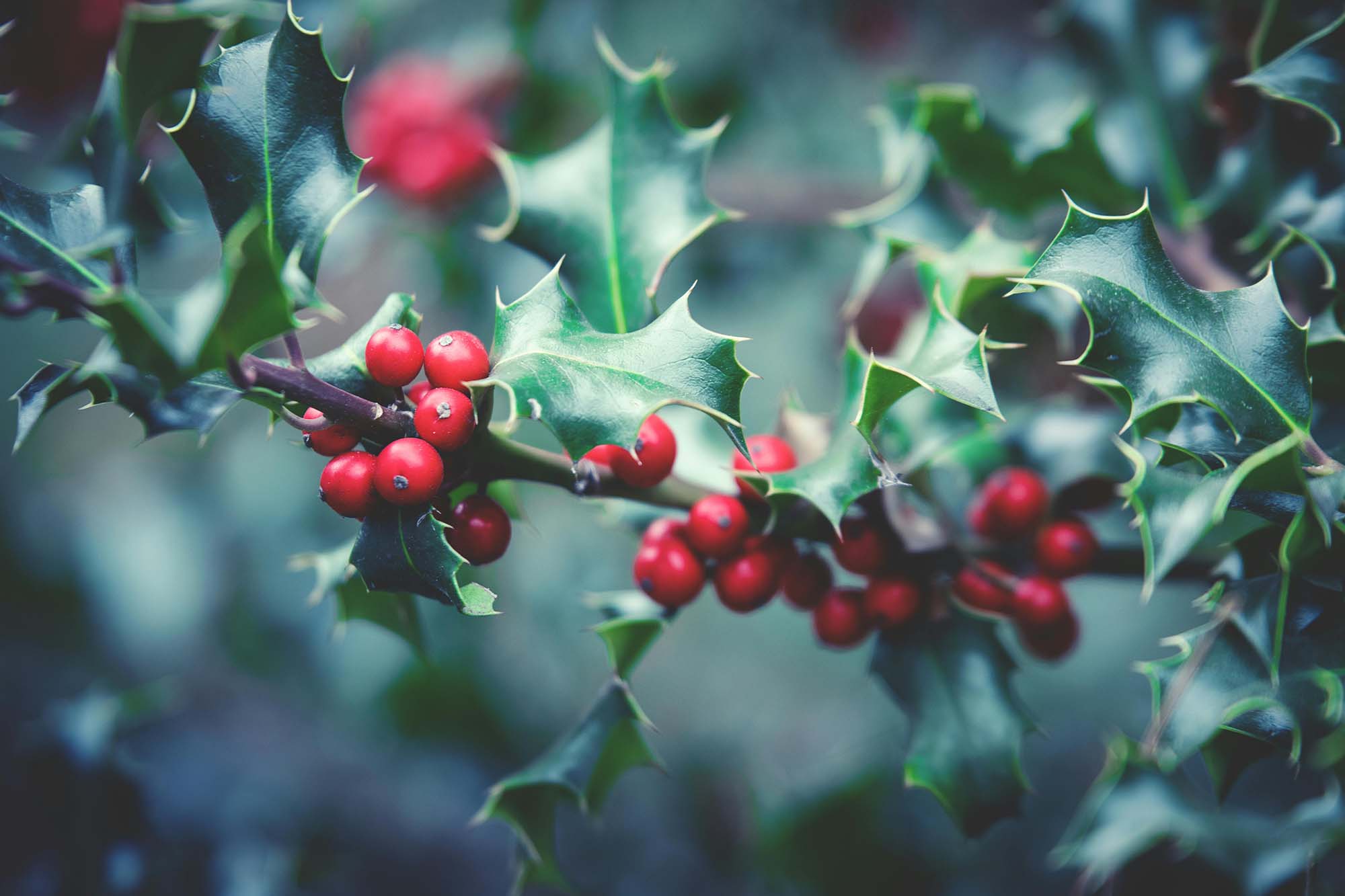
Alternatives to Invasive English Holly (Ilex aquifolium)
English holly is beloved for its red berries over winter and associated with Christmas, as well as the classic carol, The Holly and the Ivy (which now makes my invasive species antennae…