
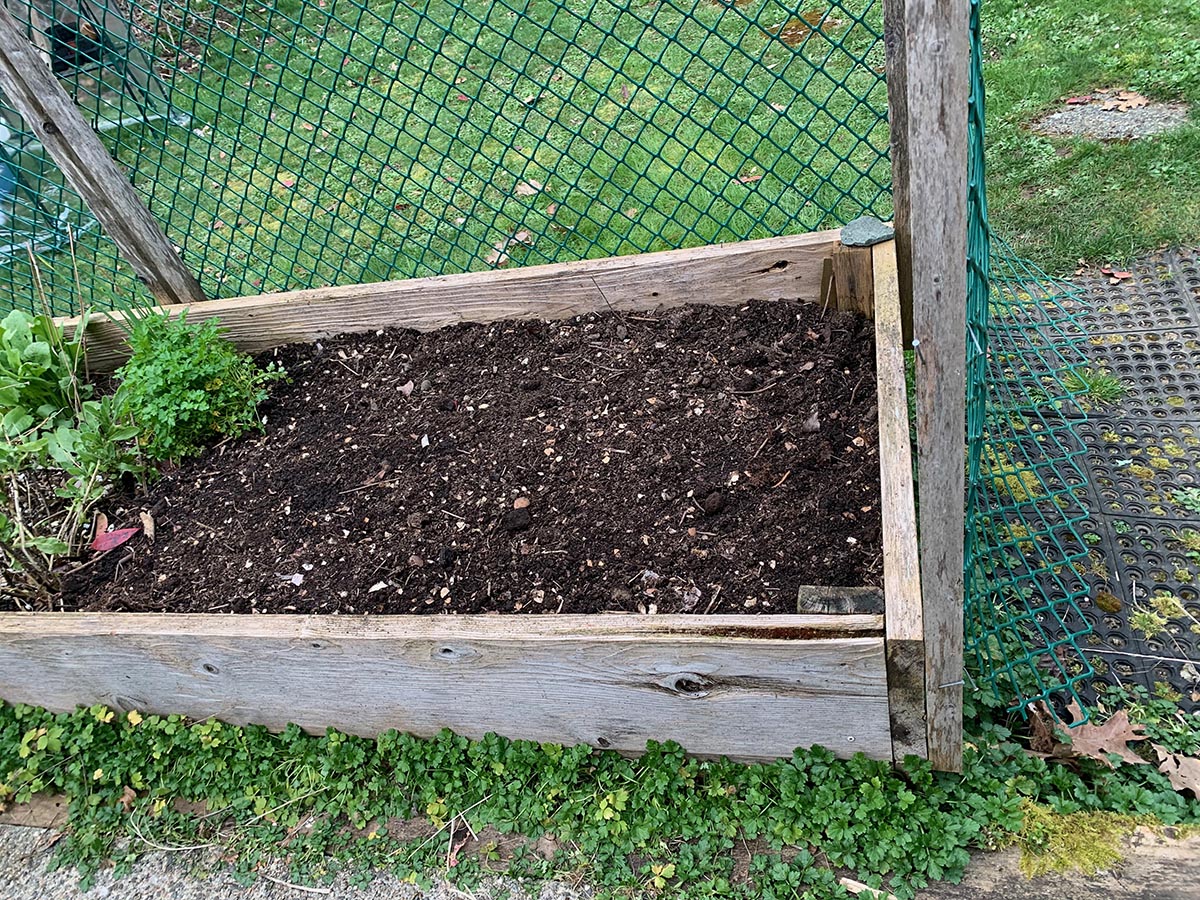
With this year’s mild winter, spring has arrived earlier than expected, catching many gardeners by surprise. Use this guide to get ready for the growing season while supporting a healthy garden ecosystem.
Spring Tasks
Cleanup
Remove old leaves, debris, and winter weeds from the crowns of perennials to prevent rot. Leave most dead stems in place until temperatures are consistently above 10°C (50°F), as they provide habitat for overwintering insects, including native bees.
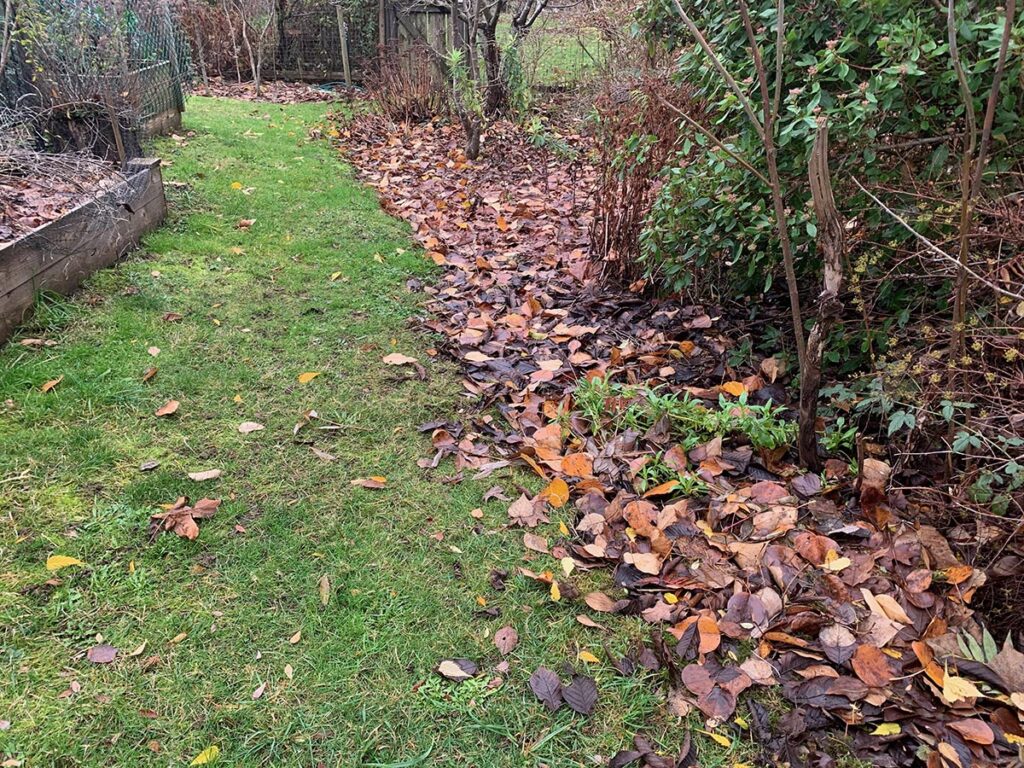
Rather than clearing all leaves, keep a light layer to improve soil structure, retain moisture, and protect seedlings.
Soil Preparation
Mix in 2–3 inches of compost or organic matter once the soil is workable.
Mulching
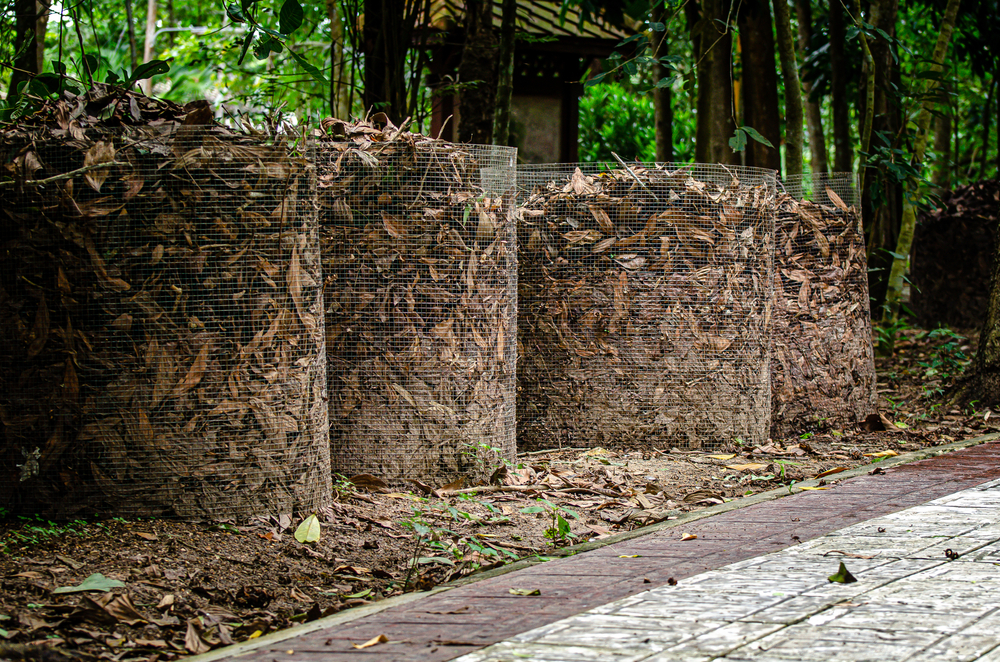
Apply a 2–4 inch layer of mulch (such as loose leaves- ideally deciduous leaves i.e. Large leaf maple, not waxy leaves i.e. laurels) to retain moisture, suppress weeds, and enrich the soil.
Pruning
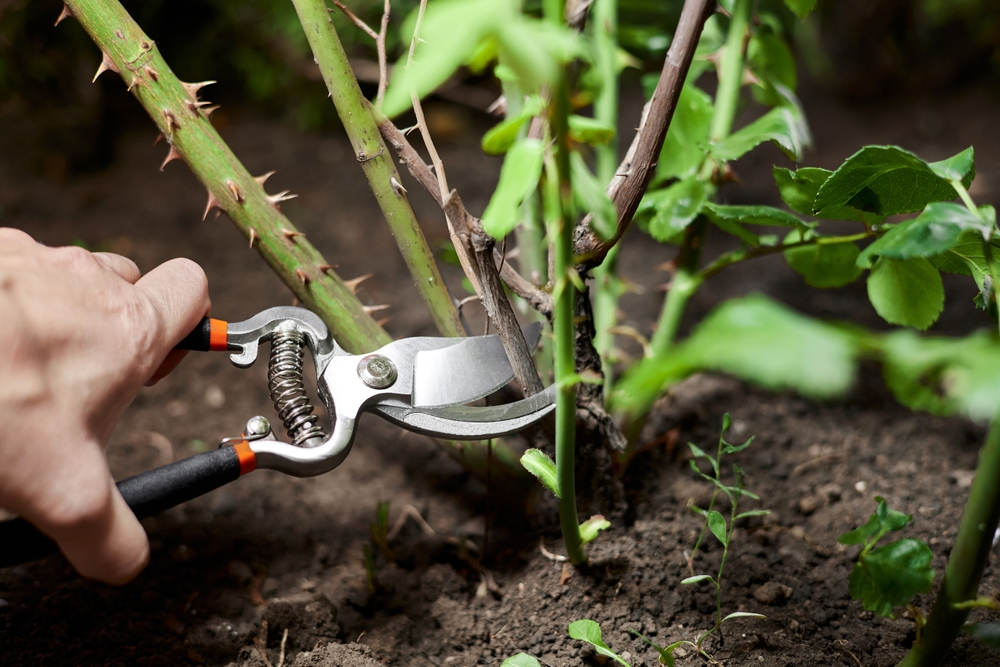
Trim dormant shrubs like roses, hydrangea, vines like wisteria, clematis and trees. Prune apples and pears before buds open, once the risk of extreme cold has passed. Avoid pruning stone fruits (cherry, plum, peach, apricot) until summer. Delay cutting back ornamental grasses and stems until warm temperatures persist. Prune.
Tool Maintenance
Clean, sharpen, and oil garden tools.
Planting & Seeding
Start seeds indoors for warm-season crops like tomatoes and peppers.
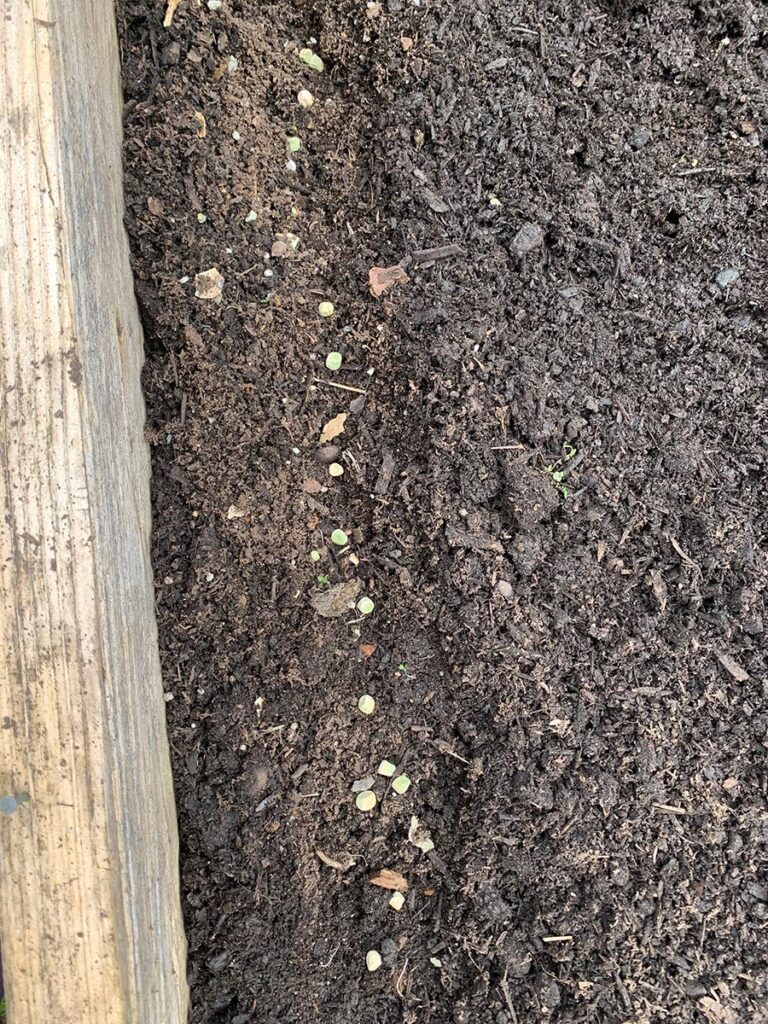
Direct sow cool-season vegetables such as peas, beans, kale, arugula, spinach, and radishes.
Direct sow hardy flowers like calendula, lupines, marigolds, and California poppies.
Weeding
Remove weeds early before they establish.
Dividing & Planting
Divide crowded perennials and plant new perennials, trees, shrubs, and bare-root plants once soil conditions allow.
Essential Tips
- Avoid working soil when it’s too wet, as this damages its structure.
- Monitor for pests such as aphids.
Late spring is ideal for planting, dividing perennials, and installing supports.
Leave a Reply